
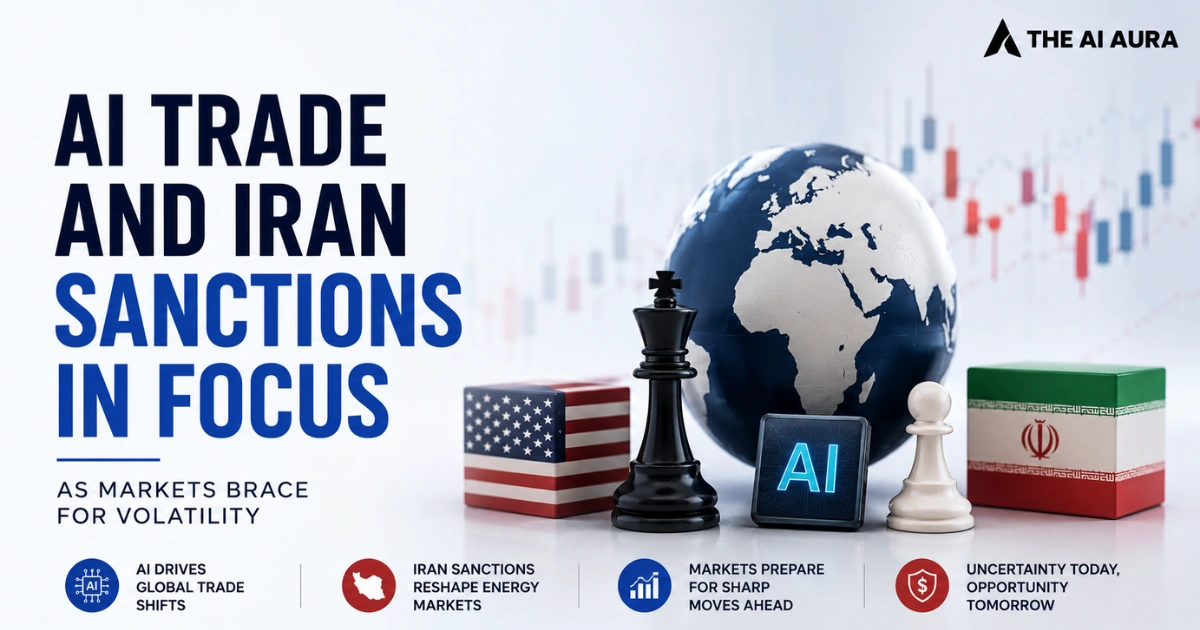

Wall Street is currently staring down a dual-threat environment that has portfolio managers actively hedging their exposure. On one side, the relentless momentum of the artificial intelligence boom is facing a severe reality check regarding infrastructure costs.
On the other, escalating geopolitical tensions in the Middle East threaten to reignite the exact type of inflation central banks have spent years trying to suppress.
As futures slip and trading desks adopt a defensive posture, the collision of tech valuations and global energy supply is creating a textbook recipe for outsized market volatility.
We are no longer just trading earnings surprises; we are trading structural shifts in capital expenditure alongside physical chokepoints in global trade.
The AI Infrastructure Premium: When Capex Meets Reality
For the better part of the last two years, the market has treated Nvidia as the undisputed bellwether for global tech growth.
But as we head into their latest earnings print, the narrative on trading floors is shifting from unbridled optimism to strict margin scrutiny. The underlying issue for the broader tech sector isn’t just about consumer demand it’s the skyrocketing cost of fulfilling it.
Supply chain backchannels indicate that the physical hardware powering the AI revolution is getting significantly more expensive to produce and acquire. Surging memory chip costs are driving up the baseline price of servers housing Nvidia’s processors.
For hyperscalers like Microsoft, Alphabet, and Oracle, the incoming data center hardware specifically systems running the next-generation Vera Rubin and Grace Blackwell architecture could see price hikes north of 15% early next year.
This creates a massive valuation hurdle for the AI trade. Up to this point, the market has handsomely rewarded tech giants for spending billions to win the AI arms race.
However, if the cost of that underlying infrastructure continues to compound, the timeline for actual profitability gets pushed further into the future. Investors will inevitably start demanding proof that these massive capital expenditures are generating proportionate, bottom-line revenue.
If profit margins at the software and application layer start compressing because hardware costs are eating the budget, the current multiples of major tech equities will be incredibly difficult to justify.
The Geopolitical Squeeze: Energy Markets and the Fed’s Dilemma
While Silicon Valley grapples with server economics, Washington and Tehran are dragging the broader market into a much older, more visceral conflict.
The Treasury Department is aggressively weaponizing its economic arsenal, with Secretary Scott Bessent signaling an “endgame” sanctions package designed to completely isolate Iran.
The immediate threat of turning uncooperative nations into “global pariahs” has triggered a predictable, yet dangerous, counter-threat from Iranian officials regarding the weaponization of their oil exports.
Energy markets are understandably on a knife-edge. Even with a slight pullback early this week as traders booked profits, crude benchmarks are hovering at levels that start breaking macro-economic models.
When you threaten traffic through the Strait of Hormuz a maritime artery handling roughly a fifth of the world’s oil supply you aren’t just pricing in a localized disruption. You are pricing in a global inflation shock.
This geopolitical friction sets a tense stage for Federal Reserve Chair Kevin Warsh’s address at the Jackson Hole economic symposium. The Fed is caught in a brutal macro trap.
If the standoff pushes crude prices higher, the resulting spike in transportation and fuel costs will bleed directly into headline inflation. Warsh cannot easily signal a dovish easing cycle if the energy sector is actively tightening financial conditions.
The bond market will be parsing every syllable at Jackson Hole to see if the central bank views these inflation risks as a temporary geopolitical premium or a structural problem.
If Warsh is forced to lean hawkish to counter the oil-driven inflation threat, expensive tech stocks already vulnerable from rising infrastructure costs will face an immediate liquidity drain.
Source: Investing.com, "AI Trade in Focus, Iran Sanctions Loom – What’s Moving Markets"