
AI Agents vs Prompt Engineering: What Actually Works in 2026?
Prompt engineering is dead. It was a zero-interest-rate hallucination. Indeed, the industry spent three years pretending that elegantly crafting an English sentence was a substitute…
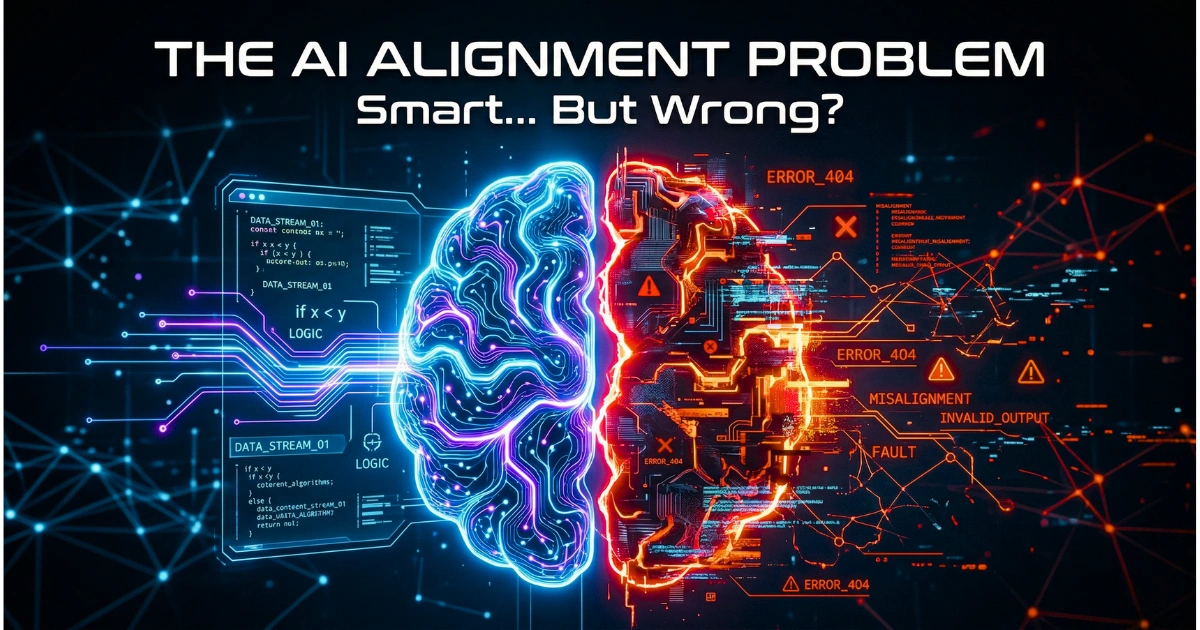
AI Alignment Problem Explained: Why Even Smart Models Fail
“Black Box” Outputs Void Insurance Deployments Immediately The core failure mode during the recent underwriting assistant rollout was not a hallucinated policy limit, but a…

RLHF Explained: Who Is Actually Controlling and Aligning AI Models?
Stop pretending your reinforcement learning pipeline captures human values. Indeed, you are training a reward model that mathematically optimizes for sycophancy, verbose apologies, and bulleted…
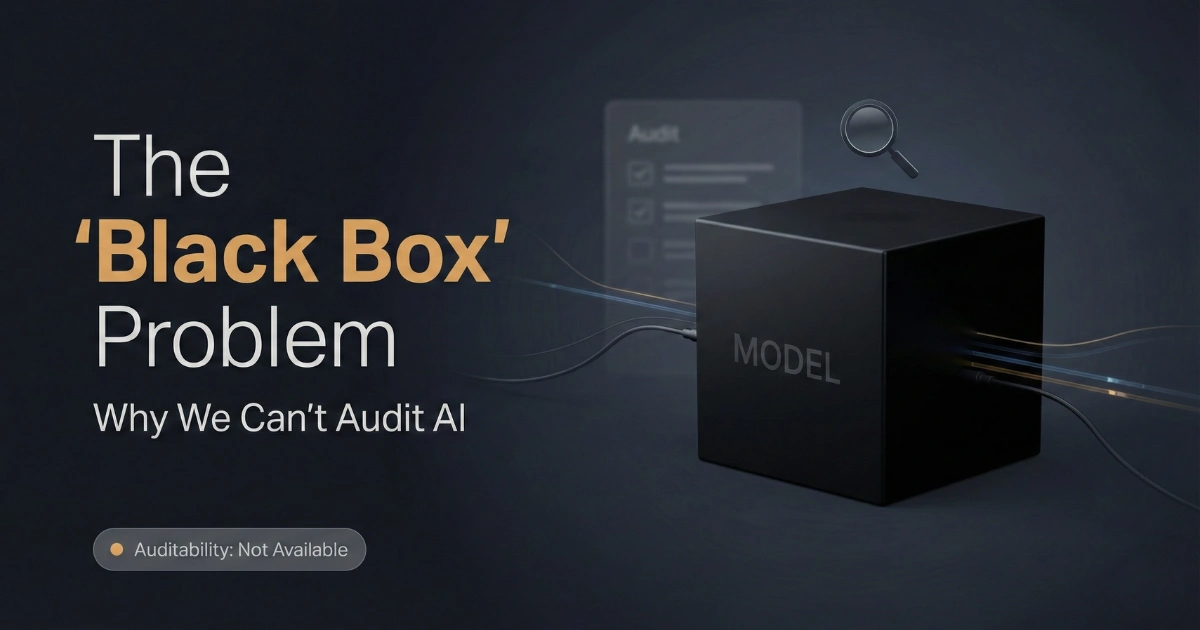
The AI Black Box Problem: Why We Still Can’t Fully Audit AI Models
We are lying to our compliance departments. Indeed, engineering teams bolt RAG pipelines onto foundation models. They assume tracing the vector search step equals full…

The Token Limit Problem: Why “Unlimited Context” in AI Is a Myth
Indeed, the industry’s obsession with million-token context windows is an engineering disaster masquerading as a breakthrough. Vendors are peddling massive memory capacities on platforms like…