
Fandoms are fiercely protective ecosystems, but even the most loyal communities have rigid boundaries. For the global BTS fanbase, that breaking point has officially become Artificial Intelligence.
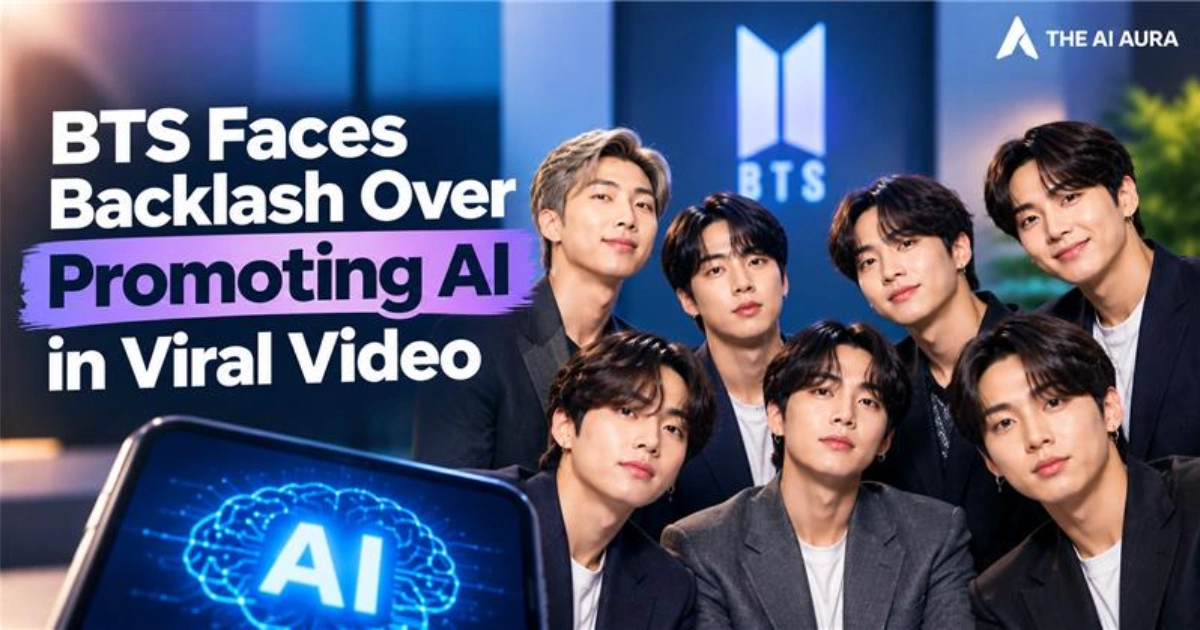
Despite past comments from some BTS members expressing discomfort with generative tech intersecting with art, the group recently secured a lucrative brand endorsement deal to promote Google’s Gemini AI assistant. The corporate move immediately alienated a vocal segment of their audience.
Today, the fallout extends far beyond routine social media complaints. A viral AI TikTok video recently used a member’s likeness. Consequently, fans must face an uncomfortable reality.
BTS now actively monetizes generative tech. Because of this, can fans still police how people use that technology within the fandom?
When Tech Deals Alienate the Audience
The friction ignited when the BTS collaborative campaign with Google Gemini launched. In today’s digital landscape, AI is a deeply polarizing subject, particularly in creative industries where ownership and authenticity are paramount.
Fans immediately pushed back against the brand deal, trending hashtags like #ARMYAgainstAI to voice their disappointment.
The criticism wasn’t solely about preserving the band’s artistic integrity; it carried heavy environmental weight.
Generative AI requires immense computational power, and fans quickly pointed out the severe water and energy consumption required to cool AI data centers. To many, the partnership directly conflicted with the group’s historically progressive and philanthropic messaging.
Making matters more complicated is the mixed messaging coming from the members themselves.
While some have previously denounced the use of AI in the music industry, others have casually mentioned experimenting with it or posting AI-altered content on their personal social media feeds.
For a fanbase that built its identity on a deeply personal connection with the band’s self-written lyrics and organic rise to fame, this sudden pivot to corporate AI felt jarring.
The endorsement essentially signaled that generative AI was now officially sanctioned by the biggest pop group in the world. But by giving the technology their stamp of approval, BTS inadvertently greenlit a trend that many fans were desperately trying to keep out of their shared digital spaces.
The Floodgates Open on Fan-Made Content
The cultural consequences of that endorsement materialized almost instantly. Recently, an AI-generated video featuring Jimin began circulating wildly on TikTok and X (formerly Twitter).
The clip was part of a broader, entirely fictional series created by a user, featuring a highly cliché storyline where an AI-generated Jimin spots a fan in a concert crowd and falls in love.
Visually and conceptually, the broader fanbase found the video embarrassing and entirely “cringey.” The uncanny valley effect of the AI generation, combined with the invasive nature of fabricating a real person’s likeness for parasocial romantic fanfiction, immediately drew ire.
Under normal circumstances, the fandom would universally mobilize to report the video, shame the creator, and scrub the deepfake-style content from their timelines to protect the artist.
However, this time, the reaction was deeply fractured. A massive portion of the fanbase argued that they had effectively lost the moral high ground. Fans pointed out the hypocrisy of demanding that people stop feeding Jimin’s image into AI video generators when BTS is actively cashing checks from Google to normalize the exact same underlying technology.
The internal consensus shifted from simple outrage at the TikTok creator to frustrated resignation directed at the band.
By financially endorsing generative AI, the group dismantled the very boundaries their fans historically used to protect them.
The viral Jimin video is ultimately just a symptom of a much larger shift in K-pop consumer culture: once a boundary is crossed at the corporate level, the community is left to navigate the messy, unfiltered consequences on their own.
Source: Koreaboo, "BTS Facing the Music for Promoting AI? — Viral Video Sparks Scathing Backlash"