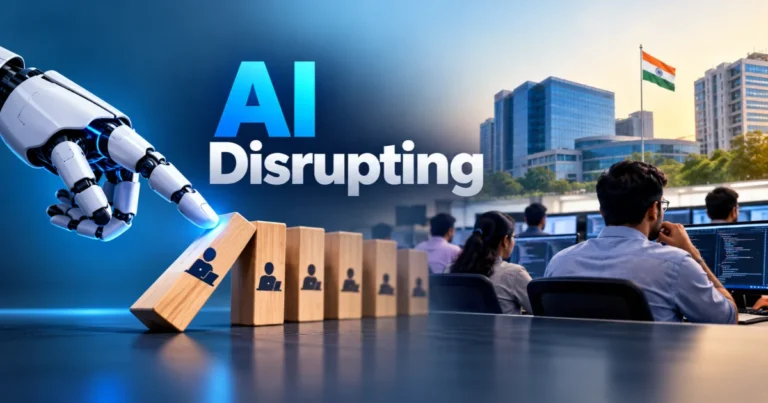

Artificial intelligence is no longer a technology companies are experimenting with—it’s becoming part of everyday business operations. Across industries, organizations are using AI to automate repetitive work, speed up decision-making, and improve productivity.
As a result, hiring strategies are beginning to change. Instead of expanding headcount, many businesses are asking whether certain tasks can be handled by AI systems before recruiting new employees.
That shift has fueled growing concerns about job displacement. Economists and labor experts increasingly argue that governments, businesses, and educators must prepare workers for an AI-driven economy rather than simply reacting to it.
While AI is expected to create new opportunities, it is also transforming existing roles, particularly those built around repetitive digital tasks.
The question is no longer whether AI will change the workforce—it already is. The real question is which careers are most exposed and how quickly the transition will happen.
White-Collar Jobs Face the Greatest Pressure
Recent advances in generative AI have significantly expanded the range of tasks machines can perform. Earlier AI models were effective at answering questions, summarizing documents, and writing basic code.
Today’s systems are capable of handling much longer and more complex assignments, including software development, financial analysis, legal research, and content creation.
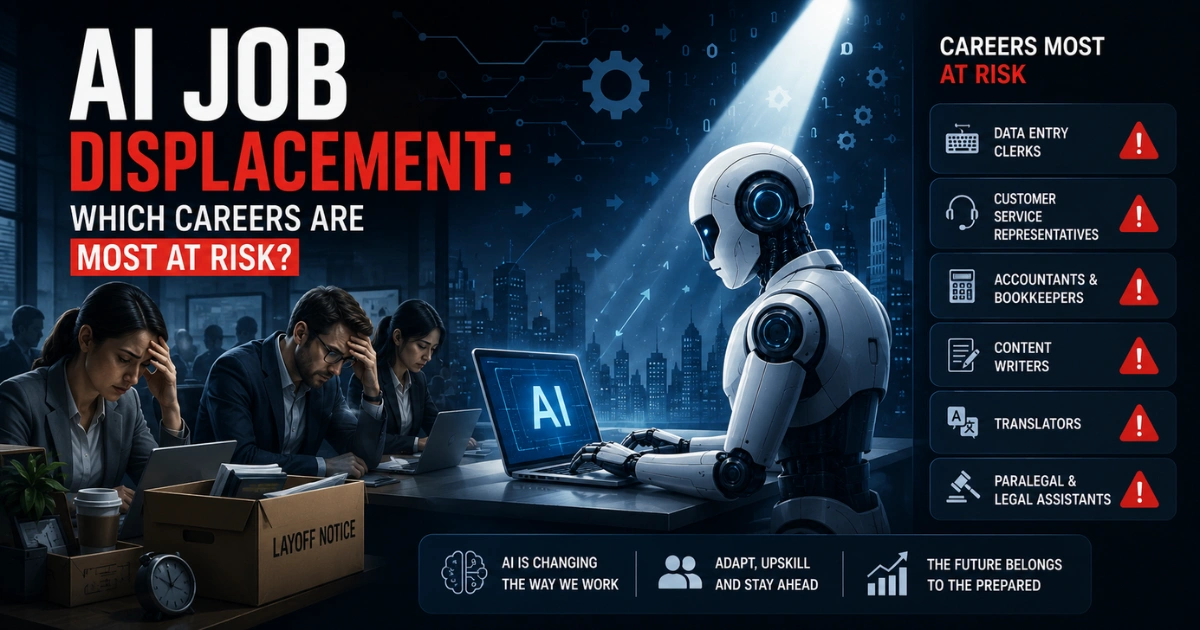
This evolution is having the greatest impact on entry-level knowledge work. Junior software developers, research analysts, legal assistants, customer support representatives, and marketing professionals increasingly find AI capable of completing many of their routine responsibilities.
Rather than replacing entire professions overnight, companies are automating specific tasks within those jobs.
For example, legal teams use AI to review contracts. Meanwhile, financial firms use it to summarize reports and identify market trends.
Marketing departments can generate first drafts of content, analyze campaign performance, and automate customer engagement.
Employment data suggests younger workers could feel the impact first. Many entry-level jobs involve repetitive tasks that AI can now complete efficiently.
These roles have traditionally provided valuable experience and career progression, making their transformation particularly significant for new graduates entering the workforce.
In contrast, professions that depend heavily on physical interaction, emotional intelligence, or hands-on skills remain less vulnerable.
Healthcare workers, teachers, electricians, construction workers, childcare providers, and skilled trades continue to require human judgment, interpersonal communication, and real-world adaptability that AI cannot easily replicate.
AI Adoption Still Faces Practical Limits
Despite rapid progress, AI is not replacing employees as quickly as many predicted.
One of the biggest challenges is cost. Running advanced AI models requires significant computing power, especially when businesses deploy AI agents continuously across multiple departments.
Every request consumes computing resources, and those costs can quickly grow for organizations operating at scale.
Many businesses have discovered that maintaining large AI systems can become expensive, particularly for complex workflows requiring millions of AI-generated responses every month.
Infrastructure costs, cloud computing fees, and hardware investments remain important considerations when deciding whether automation delivers a meaningful financial return.
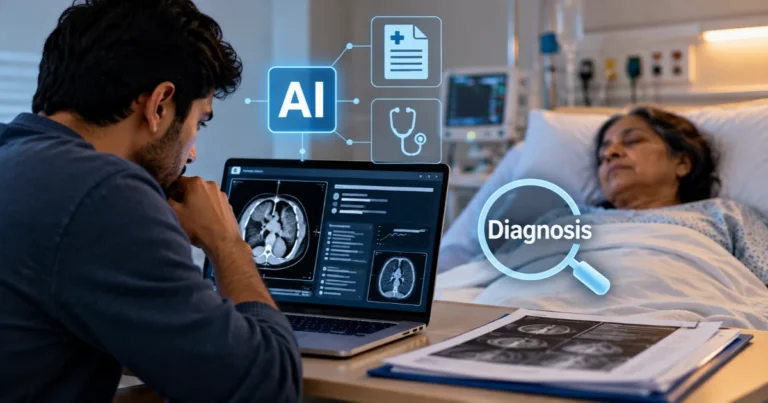
Organizations also face challenges related to accuracy, security, compliance, and human oversight. AI-generated outputs still require review, particularly in industries such as finance, healthcare, law, and engineering, where mistakes can have serious consequences.
As a result, most companies are adopting a hybrid approach rather than pursuing full automation. Employees increasingly work alongside AI, using it to handle repetitive tasks while focusing on strategy, decision-making, customer relationships, and creative problem-solving.
The long-term impact of AI on employment will depend on how businesses balance automation with workforce development.
Some routine jobs may disappear. However, demand for AI-skilled professionals is expected to increase.
Employers will look for people who can manage AI systems, interpret AI-generated insights, develop automation workflows, and combine technical expertise with human judgment.
AI is reshaping the labor market, but its effect is unlikely to be a simple story of widespread replacement. Instead, the workforce is entering a period of rapid transformation where adaptability, digital skills, and continuous learning will become some of the most valuable career assets.
Source: BBC News, "AI-Related News Article"