Financial markets have ridden a massive wave of AI enthusiasm for years. Investors treated generative models and hardware as an economic cure-all. Yet, a stark reality is now emerging beneath the surging stock prices. Running the AI ecosystem requires astronomical capital expenditure. This immense cost is prompting serious warnings from financial regulators.
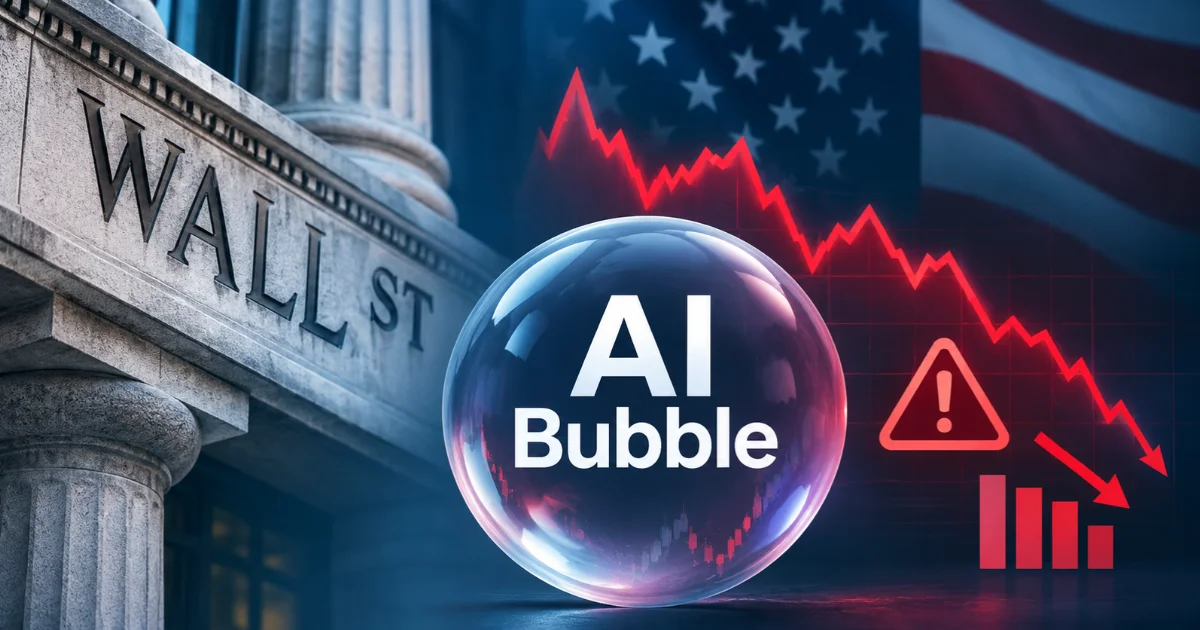
Gary Gensler oversaw US capital markets as SEC chair until 2025. He recently offered a blunt assessment of the current landscape. Gensler argues the tech sector is engulfed in a massive bubble. He believes this bubble will likely burst soon. This crash could drag the US into a recession before the 2028 election.
Unlike typical market corrections, this looming contraction threatens to expose the vast disconnect between the billions of dollars being poured into AI development and the actual revenue these systems currently generate.
The Economics of an Infrastructure Overbuild
To understand how this bubble has formed, we have to closely examine the mechanics of capital deployment across the technology sector.
Right now, Silicon Valley and Wall Street are engaged in a dynamic that resembles a modern gold rush merging with an aggressive arms race. Corporations are plowing an estimated eight hundred billion dollars a year into the physical infrastructure required to sustain machine learning platforms.
This money is flowing directly into advanced semiconductors, sprawling server farms, specialized commercial real estate, and the immense power grids needed to keep these systems cooled and operational. The underlying assumption driving this frenzy is that software application revenue will eventually scale up to justify these massive upfront infrastructure costs.
History offers a harsh lesson about transformative technologies. Heavy capital investment anticipating future profits often hits a painful plateau. We witnessed identical patterns during the reckless railroad expansion. The infamous dot-com frenzy of the late nineties followed a similar path.
Now, the tech industry faces a precarious reality check. Political shifts in Washington threaten potential regulatory crackdowns on data centers. Investors are growing increasingly anxious over these government threats. The sector is also reeling from leadership shakeups at hardware giants like Nvidia.
According to CNN, Gensler noted that when unprecedented investment meets a technological plateau, an industry inevitably retrenches. The capital simply dries up as institutional investors realize the immediate returns do not match the extravagant valuations, forcing a violent and widespread market correction.
Assessing the Path to an Economic Downturn
A localized tech bubble transitions into a nationwide recession through cascading financial contractions. These deep contractions quickly bleed into the broader economy. AI infrastructure spending will inevitably slow down. This impact will absolutely not stay confined to Silicon Valley.
Initial shockwaves will strike semiconductor manufacturers and utility providers. Hardware vendors rapidly scaled global operations for hyper-inflated demand. These companies will soon revise their revenue forecasts downward. Massive corporate layoffs will follow and directly impact consumer spending.
Corporate clients heavily subsidized the AI boom with expensive software licenses. These clients will begin slashing their IT budgets to protect profit margins. Technology stocks make up a massive portion of major index funds.
A severe valuation drop will instantly erode retirement accounts. Everyday Americans will see their investment portfolios shrink. This creates a vicious cycle of reduced confidence and restricted spending.
The market currently braces for a major macroeconomic litmus test. Prominent AI startups like Anthropic face record-shattering initial public offerings. They must navigate these IPOs against fierce economic headwinds. Aggressive valuations might fail under tight public market scrutiny.
This failure could trigger a rapid repricing of digital assets across the board. Gensler is not alone in his grim assessment of this financial threat. Prominent financial minds have echoed very similar economic concerns.
Hedge fund billionaire Ray Dalio and Harvard economist Kenneth Rogoff share this skepticism. They question the fundamental unsustainability of current tech investment levels.
The artificial intelligence market will undoubtedly experience a severe contraction. The critical unknown is the severity of this inevitable retrenchment. We must see if it results in a soft economic landing. Alternatively, a dramatic recession could alter the American economy heading into 2028.