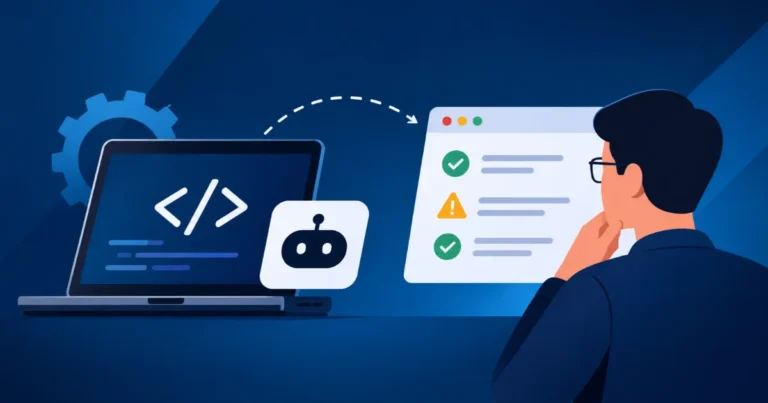

The rapid integration of artificial intelligence is fundamentally altering the landscape of software development, prompting tech industry leaders to reassess how they define their core engineering roles.
For decades, the foundational expectations for software developers remained relatively stable even as new technologies like cloud computing and microservices emerged.
However, AI is shifting the daily realities of coding so quickly that engineering leadership at Amazon recently undertook a massive reevaluation of what it means to be a Software Development Engineer.
The consensus is that the industry is entering an era that requires a blend of advanced tool utilization and sharp human intuition, ensuring that developers are not merely operating as passive operators but as comprehensive problem solvers.
The Rise of the Renaissance Developer
Rather than letting artificial intelligence dictate the future of software creation, successful engineers are combining these emerging tools with deep domain expertise.
According to an internal guideline update published at amazon, Amazon’s engineering leadership deliberately chose to focus on enduring outcomes rather than fleeting technical inputs.
Historically, the company avoided explicitly tying developer guidelines to specific technologies to accommodate diverse business units.
While AI represents a more foundational shift than past trends, the core definition of a successful developer remains tethered to customer impact.
If a developer finds that current AI tooling does not benefit their specific workflow, leadership views this as a valuable technical finding rather than a failure.
The goal is for engineers to develop the judgment necessary to identify precisely where machine learning accelerates product delivery and where manual, human-driven architecture is still required.
This evolution demands that developers at all levels actively bridge the gap between technical execution and business strategy, reversing a trend where individual contributors sometimes drift away from the direct needs of the end user.
Measuring Success Beyond Artificial Metrics
As organizations push for rapid AI adoption, measuring the actual effectiveness of these tools introduces significant management challenges. Tracking raw inputs like token usage, adoption rates, or the sheer volume of code generated can easily incentivize the wrong behaviors.
Relying on these targets often leads to unnecessary code complexity and inflated operational costs, which directly conflict with core engineering principles like frugality and simplification. Instead of relying on these flawed surface-level metrics, engineering managers are expected to develop a hands-on understanding of the tools they mandate.
Leaders must deploy AI in their own production workflows so they can accurately gauge its practical value, enabling them to explain to their teams exactly when an AI tool is useful and when it falls short.
The most effective technical teams are those that remain deeply connected to their product direction and customer needs, using artificial intelligence strictly as a lever to improve those long-term outcomes.
By maintaining a culture of continuous learning and prioritizing architectural judgment over automated output, developers can navigate this industry shift while continuing to deliver robust, scalable software solutions.