
The intersection of artificial intelligence and modern healthcare is often discussed in abstract terms. We hear endless debates about predictive algorithms and massive data sets. However, we rarely witness the immediate impact of this technology on a single human life.
For Edward Patrick in the United Kingdom, artificial intelligence was not just a fascinating tech trend; it represented the rise of personal AI assistants: from chatbots to full-time digital partners when his mother’s health rapidly deteriorated into a terrifying medical anomaly.
His mother, Ann Patrick, experienced relentless, near-fatal seizures. These episodes left a team of experienced doctors completely baffled. Standard diagnostic protocols quickly failed, and time was running out. This forced a devastated son to launch his own digital investigation to save her life.
When Traditional Diagnostics Hit a Wall
The modern medical system is a marvel of science. Even so, it can stall when symptoms overlap and contradict each other. Ann was caught in one of these terrifying clinical blind spots. For months, she suffered from unexplained neurological episodes. These episodes steadily destroyed her physical health.
The prolonged seizures were triggering a severely life-threatening complication known as rhabdomyolysis. This dangerous condition occurs when muscle tissue breaks down rapidly due to trauma or overexertion, flooding the circulatory system and kidneys with toxic cellular components.
As her muscles deteriorated from the constant seizing, the risk of total kidney failure and death grew imminent. The medical team was running out of conventional options, and her son was forced to watch her slip away.
At her absolute lowest point, medical professionals estimated she had only hours left to live. It is a deeply helpless feeling that anyone who has sat in an intensive care waiting room knows all too well praying for a sudden breakthrough that seems like it might never actually arrive.
The Digital Second Opinion
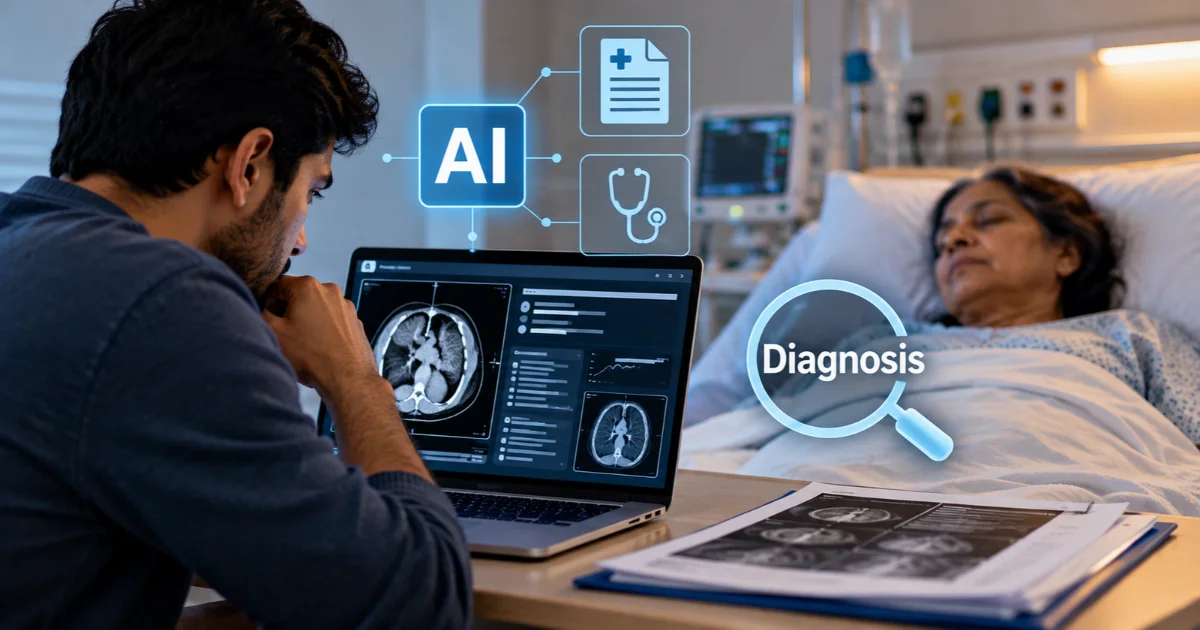
Refusing to accept a tragic outcome, Edward turned to artificial intelligence to dissect his mother’s complex medical history. He began feeding the system highly specific details about her condition, looking for the hidden clinical variable that human eyes had somehow missed.
According to a recent report at NDTV, detailing the timeline of the medical emergency, the major breakthrough came when the AI analyzed the intersection of her new symptoms and her existing pharmaceutical regimen.
To understand what AI actually does when you type a prompt, it cross-references vast patterns across medical literature and drug interactions; in this case, the generative model identified a rare but critical correlation: a severe Vitamin B6 deficiency directly linked to the specific medication she was taking to manage her Parkinson’s disease.
Armed with this highly specific diagnostic hypothesis, Edward cautiously approached her medical team. He fully expected the hospital staff to dismiss his AI-generated research with polite condescension, assuming they would tell him to sit down and have a cup of tea. Instead, the attending physician actively listened.
The doctor reviewed the theory a Parkinson’s patient presenting with new-onset seizures, negative brain scans, and relatively normal baseline blood work and realized it perfectly fit the obscure clinical picture of a severe B6 deficiency.
The medical team acted immediately, testing for the specific deficiency and confirming the AI’s suspicion. They administered an emergency infusion of vitamin B6, and the physiological response was dramatic.
The nonstop seizures finally ceased, saving Ann from almost certain death. Edward later compared the surreal, rapid-fire diagnosis to an episode of the television drama House, marveling at how a simple vitamin deficiency could disguise itself as a fatal systemic collapse.
This remarkable case highlights a distinct shift in modern patient advocacy, showing how technology can empower families to sift through mountains of medical literature in seconds to find lifesaving clues.