
Wall Street’s relentless appetite for artificial intelligence infrastructure seems to be hitting a formidable wall. After a brief bounceback earlier in the week, US stock futures quickly surrendered their overnight optimism, signaling a deep underlying fragility in the broader technology sector. We are witnessing a clear pivot from boundless enthusiasm to rigorous financial scrutiny.
The market is waking up to the reality that building the foundation for generative AI is breathtakingly expensive, as enterprises grapple with the hidden cost of AI in business and the credit markets start aggressively pricing in that anxiety.
Elevated yields on Oracle debt and a stubbornly negative trading pattern for CoreWeave expose a growing unease regarding the long-term creditworthiness of ambitious AI expansion plans.
When specialized compute hardware depreciates faster than the duration of the debt used to finance it, credit risk spikes. This is no longer just about chip allocation and raw processing power; it is strictly about balance sheets, debt maturity, and rising borrowing costs.
The Elice IPO and Neocloud Credit Jitters
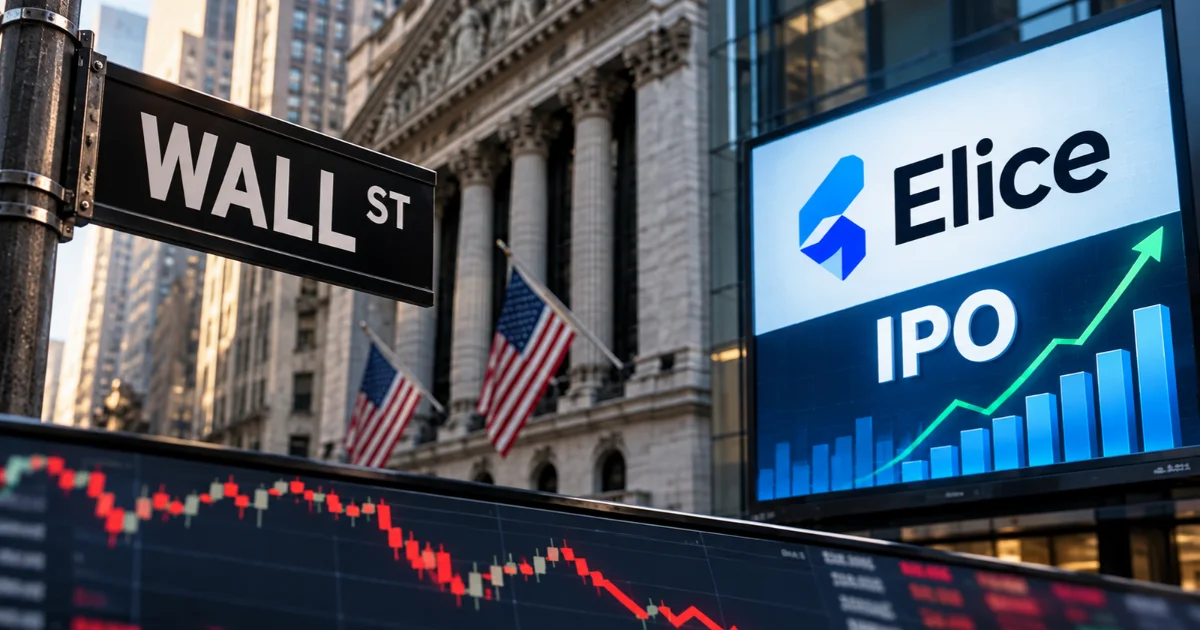
The real tremor shaking the ecosystem originated in Asia, specifically with the disastrous trading debut of South Korean AI data center firm Elice. Entering the country’s secondary market with significant expectations, Elice saw its shares nosedive by over 30 percent almost immediately upon opening.
This wasn’t an isolated localized event but rather a glaring proxy for global data center valuations and investor fatigue.
The fallout was instantaneous, causing major infrastructure players like Nvidia-backed Firmus, Blackstone-backed AirTrunk, and Softbank’s SB Energy to pull the plug on their own public listing ambitions.
Institutional investors are aggressively recalibrating their risk models across the board.
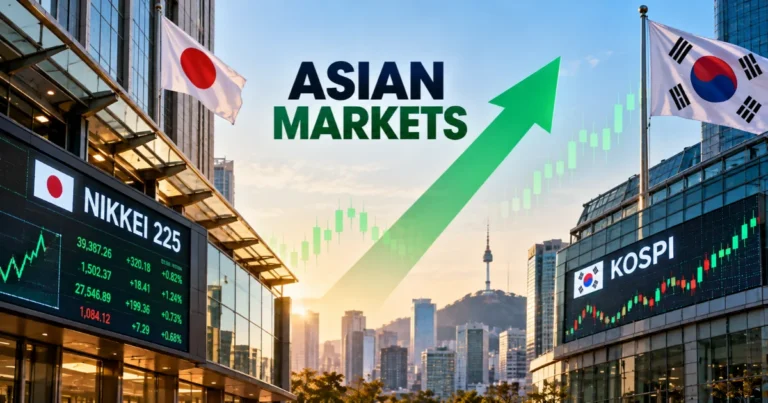
According to recent market analysis at CNBC, the broader Asian tech sector is feeling intense pressure, dragging South Korea’s Kospi index straight into bear market territory.
The underlying financial mechanics driving this sell-off are straightforward: neocloud providers are currently trapped between massive capital expenditure requirements to secure hardware and a slowing growth rate for actual AI model revenue. You can see this exact tension illustrated in CoreWeave’s volatile market positioning.
While Goldman Sachs recently defended the neocloud provider as a top-tier ecosystem asset, HSBC took the exact opposite stance, forecasting a potential 36 percent drop fueled by those rising borrowing costs and stalled revenue metrics.
The market is struggling to price these companies because the historical comparables simply do not exist for this kind of capital burn rate.
Consolidation and Macro Pressures Reshaping Tech
Beyond the immediate IPO freeze, the structural forecast for the artificial intelligence landscape is turning increasingly ruthless. The current market dynamics align perfectly with warnings from Gartner’s chief forecaster John Lovelock, who recently argued that the ongoing infrastructure race is ultimately a brutal battle for a last-man-standing position.
The sheer scale of capital required to train and deploy frontier models means the market will inevitably collapse into a duopoly, leaving smaller, highly leveraged players dangerously exposed.
Understanding the structural layers from foundational models up through hosting tiers detailed in the AI stack explained is becoming essential as investors distinguish durable infrastructure from unsustainable bets.
At the same time, severe macroeconomic headwinds are amplifying these structural pressures. For instance, Brent crude oil recently surged past $111 a barrel due to Middle East tensions and energy infrastructure damage in Eastern Europe. These inflationary pressures will likely keep interest rates elevated for the foreseeable future.
Additionally, market observers are warning investors to watch for forced hedge fund liquidations. Such liquidations could accelerate the tech downturn.
The immediate test for market sentiment arrives with upcoming earnings reports. Industry bellwethers like Netflix face corporate restructuring, while SpaceX prepares for its second earnings report since debuting at $135 a share. Investors now have zero tolerance for missed targets or vague guidance. Ultimately, the era of blind faith in AI revenue multiples has come to an end.