
For the past few years, the narrative surrounding artificial intelligence has been one of boundless optimism and limitless financial upside.
Technology giants poured billions into developing specialized chips, constructing massive data centers, and promising a fundamental revolution in how we interact with information. Investors eagerly bought into the vision, watching valuations soar to unprecedented heights.
However, the mood on Wall Street and in financial centers globally is experiencing a stark shift. The market is now transitioning from a phase of speculative enthusiasm to one demanding concrete financial returns.
This shifting sentiment culminated recently in a massive market correction, serving as a harsh reality check for both Silicon Valley powerhouses and the broader global tech ecosystem.
The Reality Check for Silicon Valley
The most prominent casualty of this shifting market dynamic is Alphabet, the parent company of Google. Following a third-quarter earnings report that failed to meet the lofty expectations of investors, the tech behemoth experienced a historic market reaction.
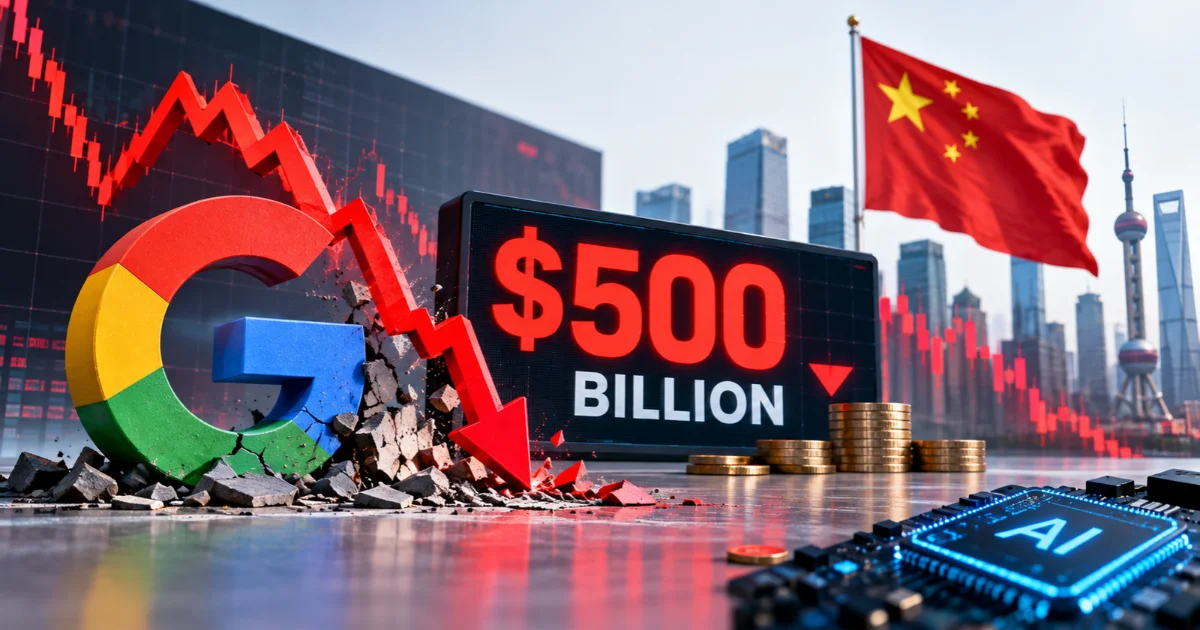
Alphabet’s shares plummeted by more than twelve percent in a single trading session, marking the worst one-day percentage decline in the company’s two-decade public history.
This sudden drop evaporated roughly half a trillion dollars from its total market capitalization, dragging its valuation down from nearly four trillion to roughly three and a half trillion dollars.
While the company still generated immense overall revenue, its traditional advertising business the historical engine of its empire showed signs of weakness. More concerning for the long term was the admission from executives regarding their new AI search capabilities.
According to a recent analysis published at Times of India, while user engagement with Google’s AI Mode is growing rapidly, these queries are currently generating lower advertising monetization compared to standard search interactions.
This dynamic raises a difficult existential question for the company: could the aggressive push to reinvent search through artificial intelligence ultimately cannibalize the highly profitable advertising model that funds the entire enterprise? Compounding these revenue fears is the sheer scale of the spending required to stay competitive, exposing a widespread AI cost trap across the industry.
Alphabet recorded tens of billions in capital expenditure for the quarter, resulting in consecutive periods of negative free cash flow. Investors are now openly questioning how quickly these massive infrastructure investments can actually turn a profit.
Ripple Effects Across Global Markets
The skepticism surrounding the immediate financial viability of massive AI investments is not contained to just one company; it is actively spreading across the entire global supply chain.
Chipmakers and hardware infrastructure providers, who were previously viewed as the undisputed winners of the AI gold rush, are now facing intense downward pressure.
Forecasts of lower-than-expected revenue and negative cash flows from major players like Intel have dragged down the broader semiconductor sector, impacting companies that build the physical backbone of the AI revolution.
This wave of investor caution has also hit international markets with surprising force, particularly in Asia. Chinese technology stocks, which had previously surged on the dual expectations of explosive domestic AI demand and government pushes for technological self-reliance, are experiencing a severe correction.
The overarching market indices in China have suffered their steepest monthly declines in years, effectively erasing hundreds of billions of dollars in market value from prominent AI and semiconductor leaders.
The combination of inflated valuations, restrictive international export policies, and growing doubts about future enterprise demand has severely undermined the previous market rally.
Ultimately, this global sell-off indicates that the era of blind faith in artificial intelligence spending is over, replaced by an environment where investors are demanding clear, sustainable paths to profitability and stringent AI ROI metrics to justify future developments.